
Trained on the ground. Ready to fly.
We train assistance dogs, prepare rescued dogs for the right home, and help people understand what these partnerships make possible.
Understanding every dog. Creating new possibilities.
Every assistance dog starts with trust, patience and purposeful training. We read each dog's temperament, confidence and pace before we teach a single task.
Some dogs become partners for people with disabilities. Others flourish as family companions. Our job is to find the right path for each one, and the right person at the other end of the leash.
Read about our approachEleven kinds of work. One partnership at a time.
An assistance dog is trained for tasks tied to one person's needs. It goes beyond companionship: it makes everyday life more accessible.
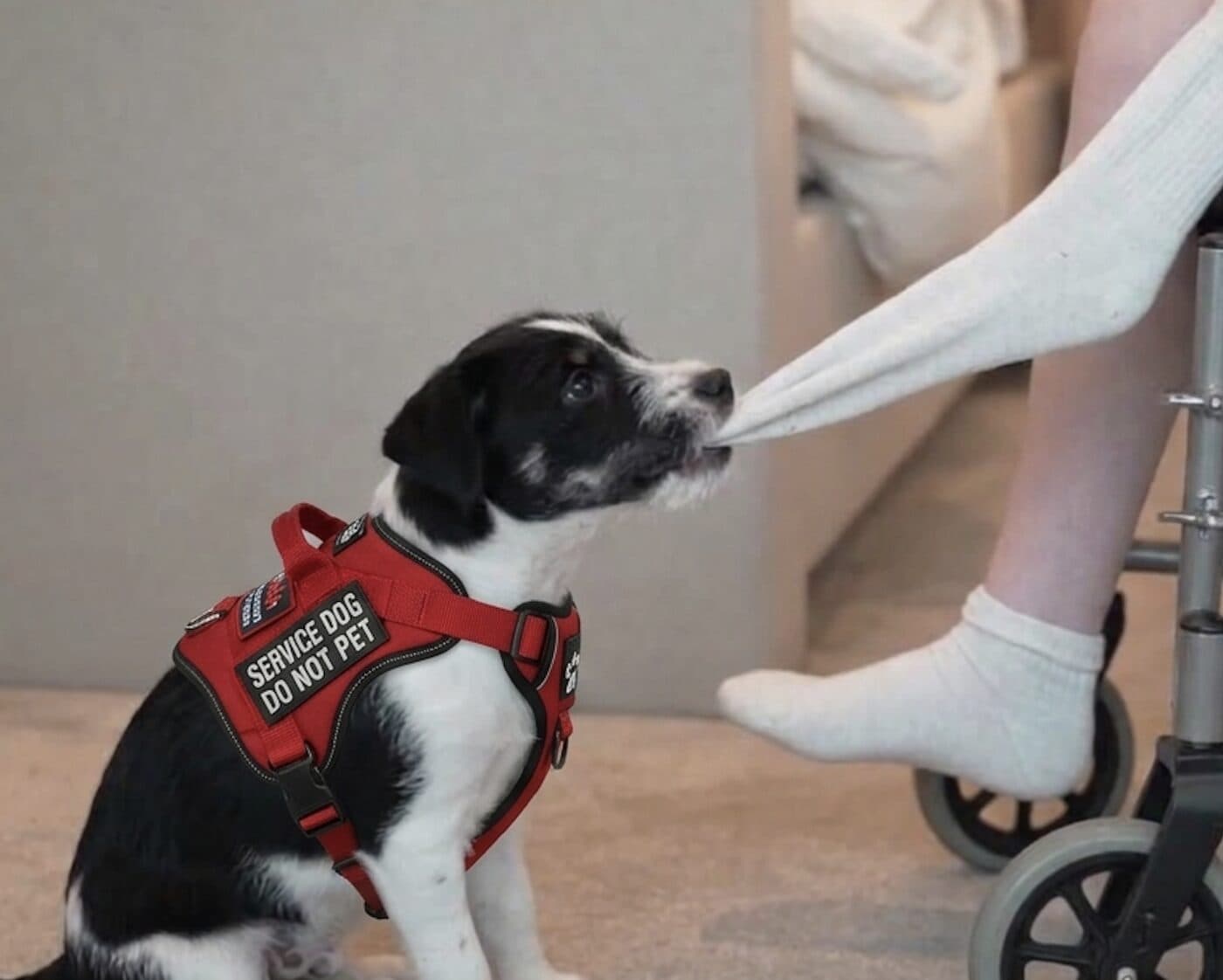
FrijolHelping with a sock
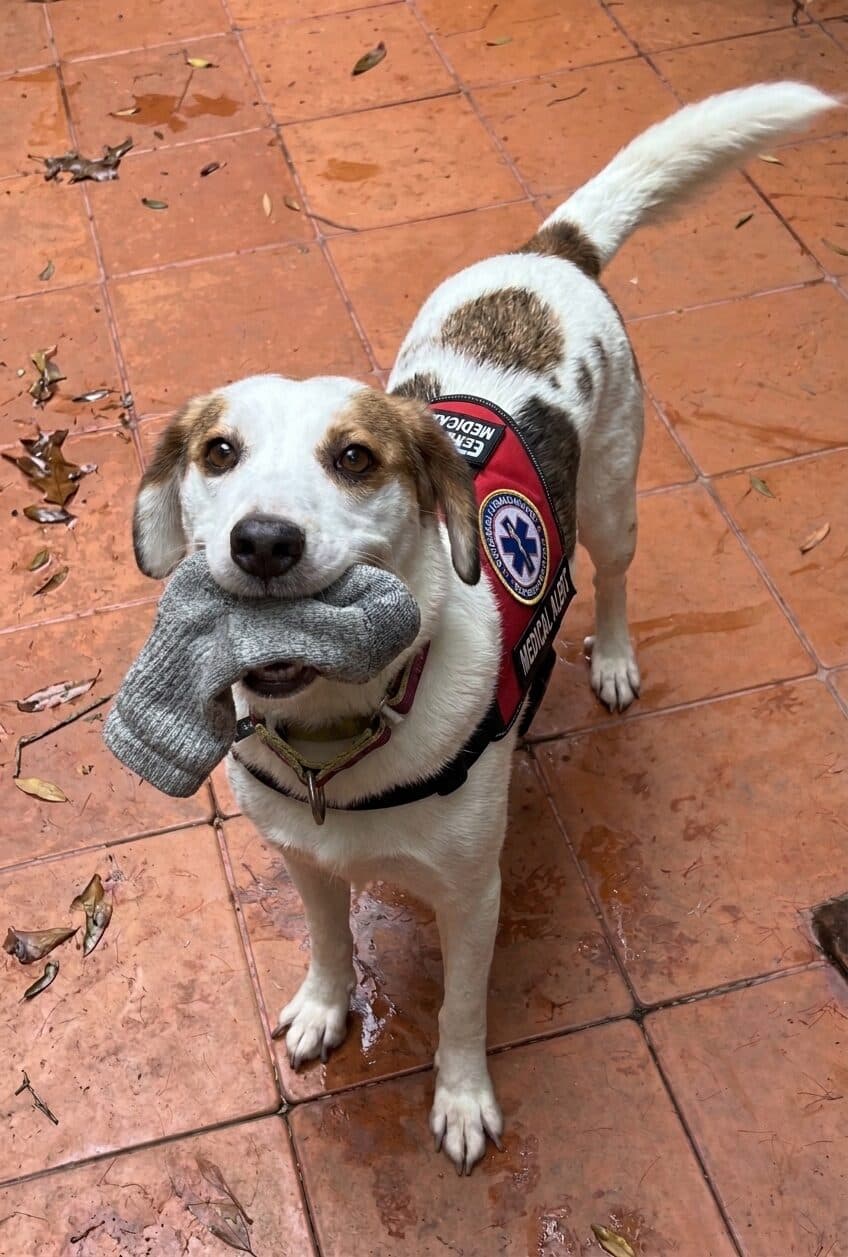
CiaraMedical alert dog
- GD
Guide Dogs
Blind and low vision. Obstacles, curbs, crossings.
- HA
Hearing Assistance
Deaf and hard of hearing. Doorbells, alarms, timers.
- SD
Service Dogs
Physical, neurological and medical needs.
- MA
Mobility Assistance
Dropped items, accessible doors, switches.
- MD
Medical Alert
Recognize cues tied to a specific condition.
- DA
Diabetic Alert
Scent changes linked to blood glucose.
- SR
Seizure Response
Fetch a phone, trigger an alert, seek help.
- PS
Psychiatric Service
Interrupt distress, guide to a safe place.
- PT
PTSD Assistance
Environmental awareness, steady routines.
- AU
Autism Assistance
Routines, transitions, busy environments.
- AL
Allergy Detection
Alert to trained target allergens.
Every dog has potential. Every partnership has a purpose.
We work at each dog's pace. Not every dog is suited to assistance work, and finding the role that fits is part of the job.
The full training journey- 01 · Assess
Discovering each dog's potential
Temperament, veterinary and behavioral assessment before any new skill.
- 02 · Trust
Building confidence and trust
Clear cues, positive socialization, everyday manners and self-control.
- 03 · Skills
Developing specialized skills
Tasks matched to each dog's temperament and a future handler's needs.
- 04 · Match
Creating meaningful partnerships
Handler education and practice in the places daily life happens.
- 05 · Beyond
Support beyond training
Progress reviews, skills reinforcement and well-being guidance.
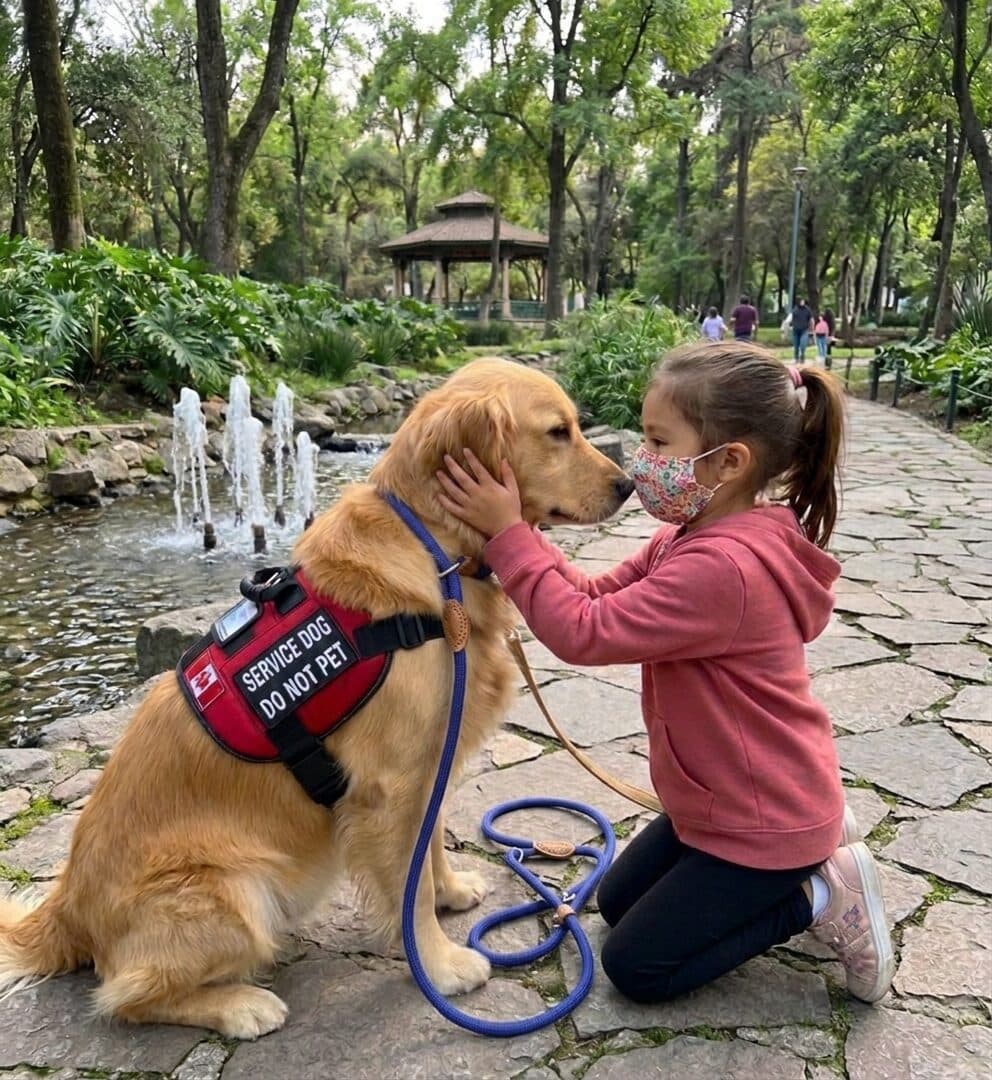
Isabella & Biscocho
A difficult past doesn't decide what comes next.
Every dog adopted through On Vole is trained and prepared before joining a family. Then we teach you how to keep that training going, so the bond lasts.
Adoption asks for patience, consistency, clear rules and, above all, love. We'll help you get there.
I want to adopt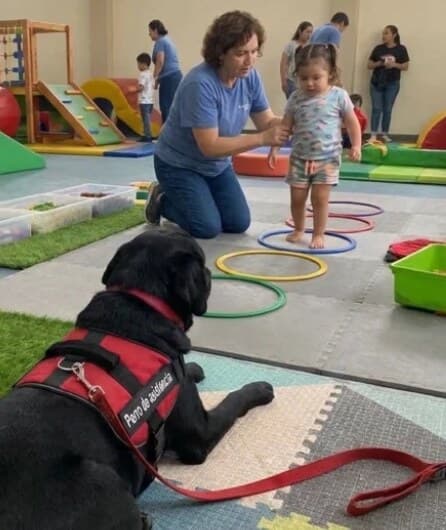
OsoISSSTE program for children with cancer
We bring our dogs to hospitals and care centers.
We visit centers that care for people living with illness, and our dogs go with us to keep them company and support them.
See our community programsKnow the rules where you land.
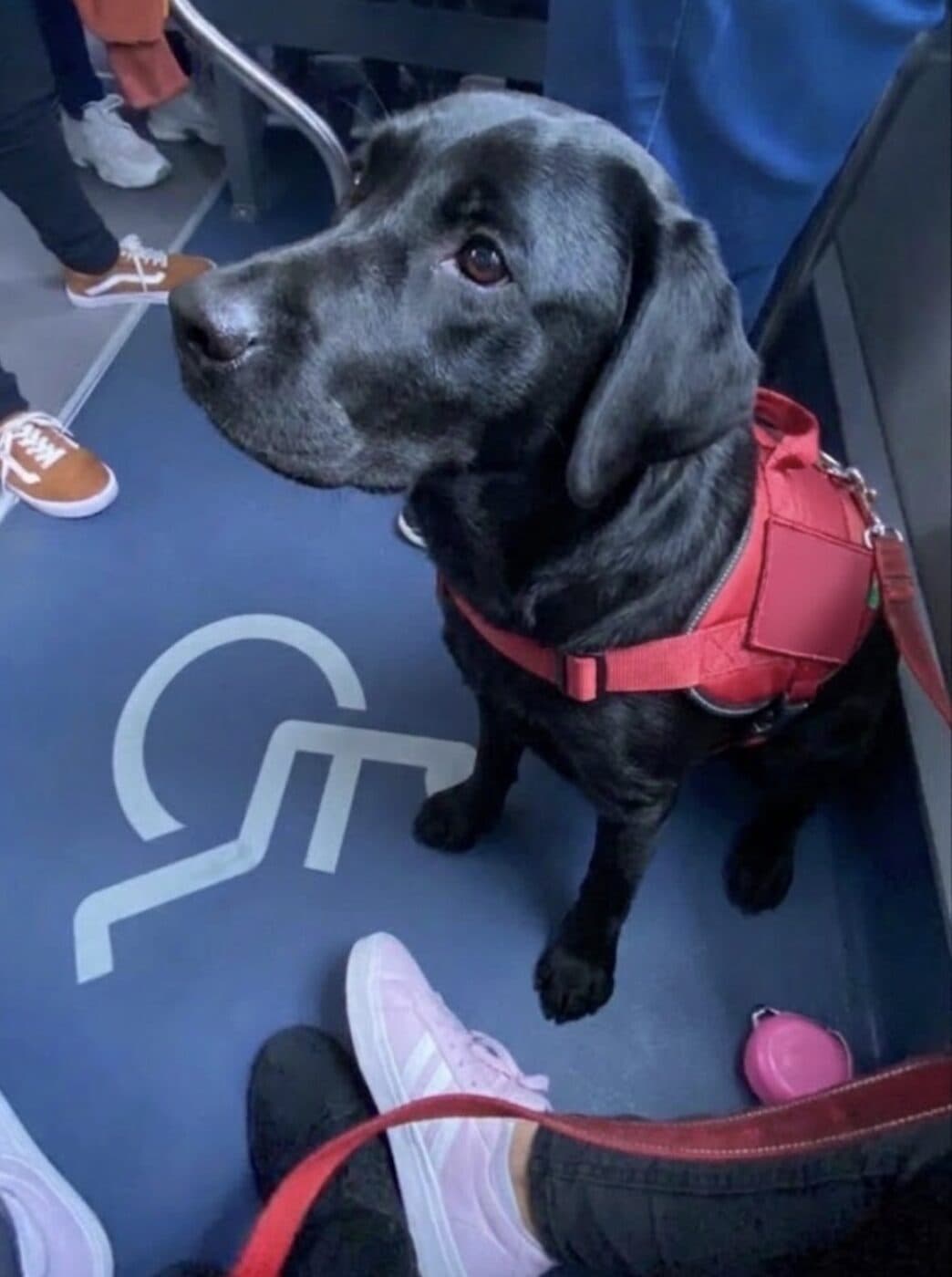
Public access laws for assistance dogs change from country to country. Find official sources by region, or ask us for the latest links for your destination.
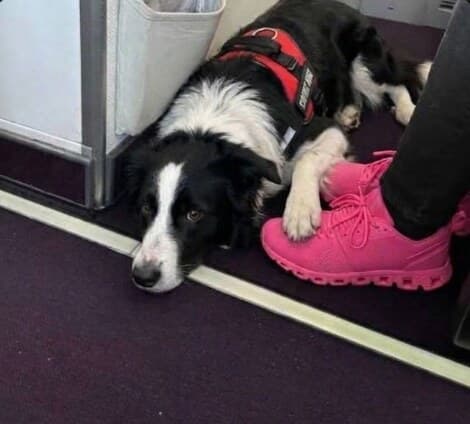
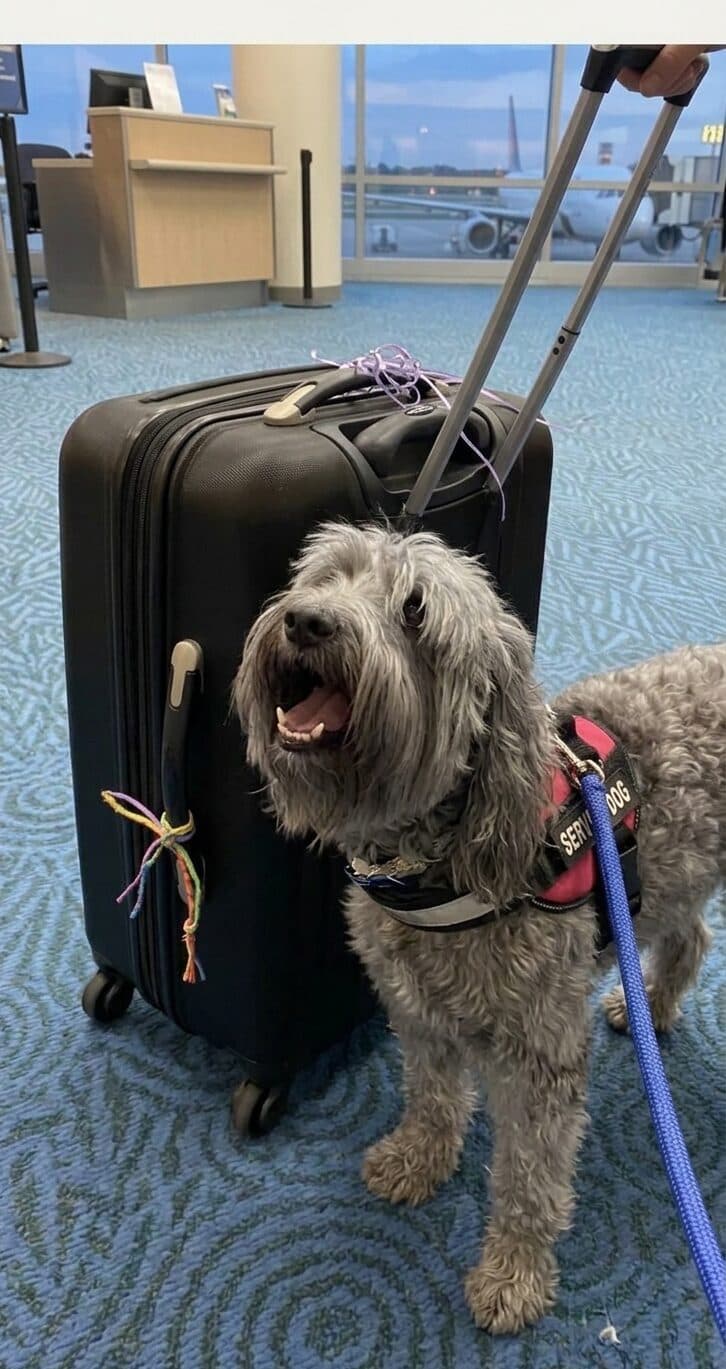
ZeldaIn the cabin · KLM, Mexico → Amsterdam
Take the first step toward greater independence.
Every application is reviewed individually. Placement depends on suitability, training and availability.
- 1
Submit your application
Contact details, daily needs and the kind of assistance you're looking for.
- 2
Application review
Our team reads your information and contacts you if we need more details.
- 3
Personal assessment
We talk through your lifestyle, goals and specific support needs.
- 4
Dog matching
A suitable dog, chosen for temperament, training, abilities and fit.
- 5
Training and partnership
Guidance on building a safe, effective partnership with your dog.
- 6
Ongoing guidance
Follow-up support, where available, for long-term success.
Can my own dog be trained?
Can my own dog be trained?
Possibly. Every dog gets an individual assessment of temperament, behavior and health. Not every dog is suited to this work.
Help a dog reach its potential.
Your gift funds rehabilitation, training, veterinary care and responsible adoption. Donation receipts are available on request.
Wherever you are, write to us.
No matter where you're located, we're committed to finding the best possible option to assist you.
Tell us your name, where you live and how we can help. We reply to every message.