
Training journey
Every dog has potential. Every partnership has a purpose.
We believe every dog deserves the opportunity to grow, learn and discover its potential. Each animal comes with a unique personality, history and set of abilities. Our responsibility is to understand those individual qualities and help each dog develop the confidence, skills and emotional balance needed to thrive.
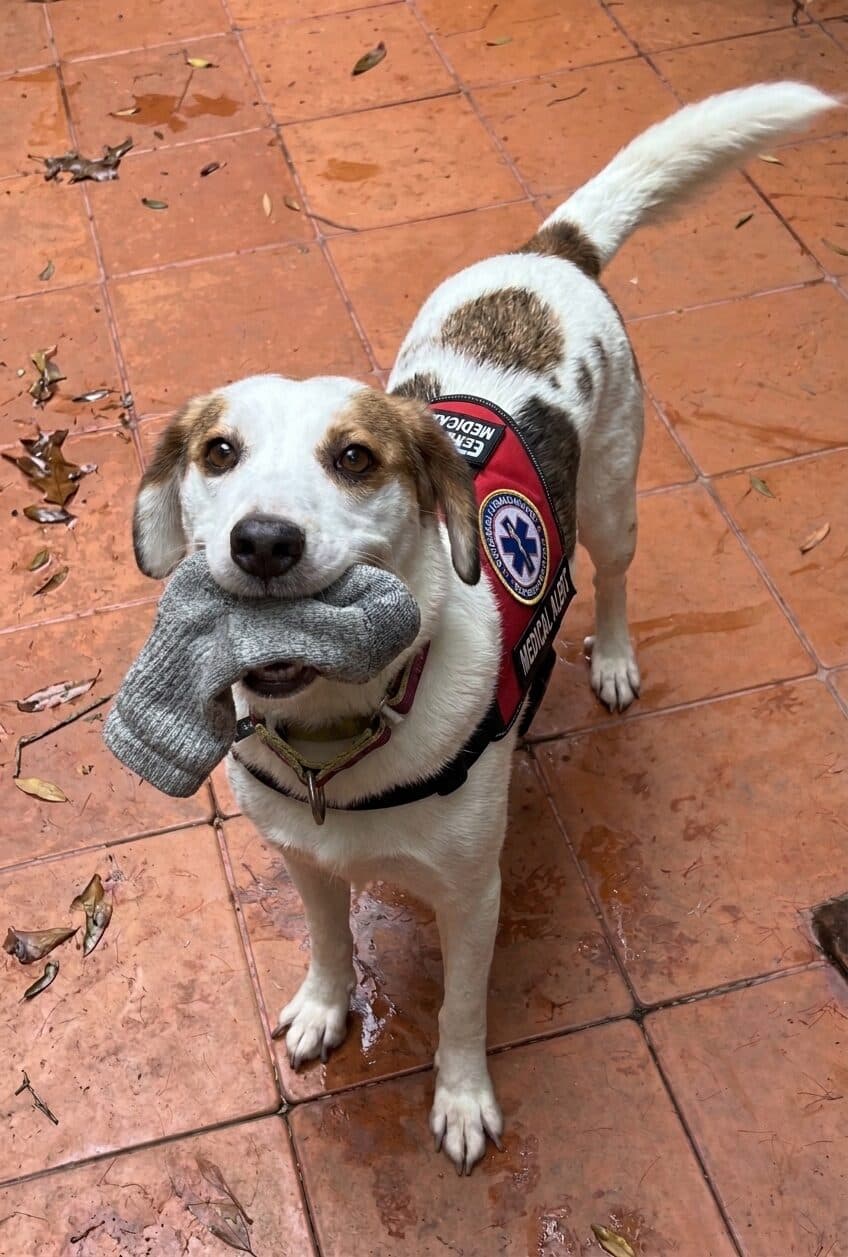
Through individualized training, behavioral rehabilitation and compassionate care, we prepare dogs for new opportunities and meaningful relationships with people. Whether a dog is being prepared for adoption or considered for specialized assistance work, we approach every stage with patience, respect and a commitment to animal welfare. Our philosophy is simple: meaningful progress begins when we understand the animal, respect its individual needs, and create the right conditions for learning and trust.
Discovering each dog's potential
Every training journey begins with getting to know the individual dog. Before introducing new skills, we assess the dog's personality, abilities, sensitivities and specific needs to determine the most appropriate path forward.
Our initial evaluation may include:
- Temperament and personality assessmentObserving how the dog responds to people, unfamiliar environments, everyday situations and new experiences.
- Veterinary evaluationReviewing the dog's health and identifying medical considerations that may influence its care, training or future placement.
- Behavioral assessmentIdentifying existing habits, learning patterns, confidence levels and areas that may benefit from additional guidance.
- Rehabilitation and emotional developmentCreating individualized support plans for dogs that need help building confidence, adapting to new environments or overcoming behavioral challenges.
We recognize that every dog learns differently. Our approach is designed to respect each animal's pace, abilities and individual circumstances.
Building confidence and trust
Trust is the foundation of effective training. Before learning more advanced skills, dogs need to feel secure, understand expectations and develop positive ways to communicate with the people around them.
Through consistent guidance and positive reinforcement, we help dogs strengthen essential behaviors and become more comfortable navigating everyday situations.
Our training may focus on:
- Basic communicationDeveloping reliable responses to essential cues such as sit, stay, come, down and heel.
- Positive socializationGradually introducing different people, animals, sounds and environments in a safe and appropriate manner.
- Everyday mannersEncouraging calm behavior at home, appropriate greetings and the ability to settle in different settings.
- Focus and self-controlHelping dogs learn to manage distractions, regulate their responses and remain attentive to their handler.
These skills go beyond basic obedience. They establish the communication, consistency and mutual understanding necessary for a healthy relationship between dogs and people.
Developing specialized skills
Once a dog has developed the appropriate foundations, we can explore whether its abilities are suited to more specialized training.
For dogs selected for assistance work, training is tailored to their temperament, learning capacity and the specific tasks they may need to perform for a future handler.
Depending on the dog's suitability and the program's objectives, training may include:
- Mobility-related assistance and practical everyday tasks.
- Medical alert or response tasks, where appropriate.
- Support tasks for individuals with specific disabilities.
- Environmental awareness and appropriate public behavior.
- Reliable responses to cues and tasks in different settings.
Each skill is introduced progressively and practiced until the dog can perform it consistently under appropriate conditions. Not every dog is suited to assistance work, and our priority is to identify the role that best matches each animal's abilities and well-being.
Creating meaningful partnerships
Successful assistance work involves more than teaching a dog to perform tasks. It requires a compatible partnership in which the dog and handler learn to communicate, work together and respond to one another's needs.
We consider the handler's lifestyle, environment and individual requirements when preparing a potential partnership.
This process may include:
- Individualized trainingPracticing tasks and routines relevant to the handler's daily activities and needs.
- Handler educationTeaching appropriate canine communication, responsible care and techniques for maintaining trained behaviors.
- Building a strong bondEncouraging trust through consistency, positive reinforcement and mutual respect.
- Preparing for everyday situationsPracticing relevant routines and skills in suitable environments to support the transition into daily life.
Our goal is to help establish realistic, sustainable partnerships that take into account the handler's needs and the dog's capabilities. The right match is not simply about what a dog can do, but about how well its abilities align with the person it may assist.
Support beyond training
Completing a training program is an important milestone, but learning continues as dogs and their handlers adapt to everyday life.
We value responsible care and continued learning. Where available through our programs, follow-up guidance may help handlers maintain progress and address new challenges as they arise.
Our ongoing support may include:
- Progress reviewsEvaluating how the dog and handler are adapting to their routines.
- Skills reinforcementPracticing established behaviors and strengthening trained tasks when needed.
- Behavioral and well-being guidanceEncouraging routines that support physical health, emotional balance, exercise, rest and enrichment.
- Partnership guidanceHelping handlers navigate changes in their circumstances and maintain a positive working relationship with their dog.
Every partnership develops over time. Continued practice, responsible care and an understanding of the dog's changing needs can help create a stronger foundation for the future.
Can my own dog be trained as an assistance dog?
A personal dog can become an assistance dog. Each dog must undergo an individual assessment to evaluate its temperament, behavior, health and suitability for this specialized role.